Diving
Bespoke luxury holidays built around Diving, tailor-made by our specialist travel advisors.
Luxury Scuba Diving & Snorkelling Holidays
A glimpse at some of the exceptional properties we recommend for Diving, hand-picked by our specialists.
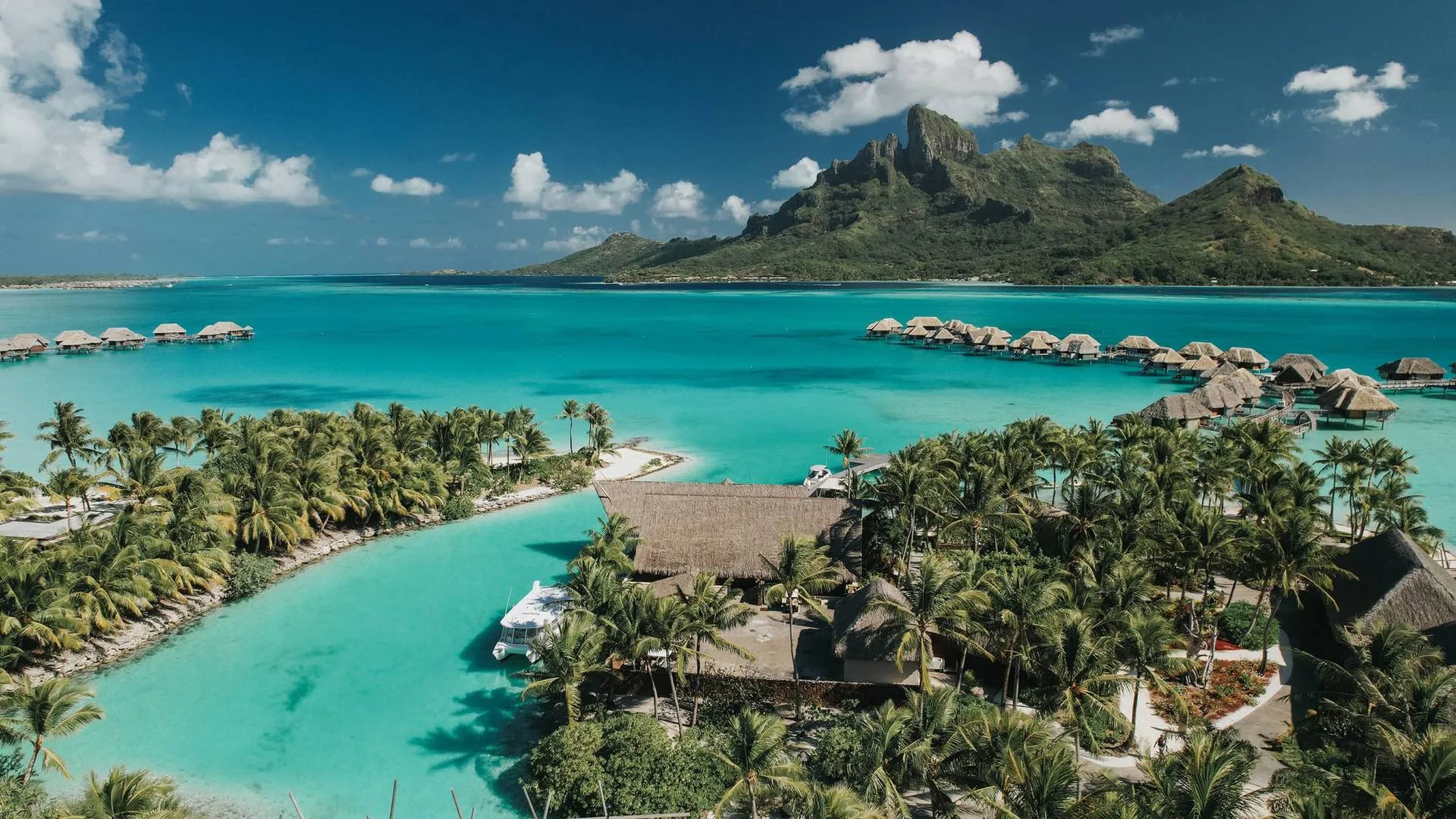
Four Seasons Resort Bora Bora

Rosewood Little Dix Bay

Ithaafushi The Private Island

Patina, Maldives

JOALI BEING, Maldives

Four Seasons Explorer

Gili Lankanfushi

Velaa Private Island

Pikaia Lodge Galapagos

St. Regis Le Morne

Four Seasons Jimbaran Bali

Cheval Blanc Randheli

Six Senses Zighy Bay

THE BRANDO RESORT – FRENCH POLYNESIA

Belmond La Samanna

Ladera Resort

Cheval Blanc Saint Barth

Belmond Maroma Resort & Spa

The Ritz-Carlton Abama

The Oberoi Mauritius

Sugar Beach, A Viceroy Resort

Sani Asterias Suites

Rosewood Mayakoba

Jumby Bay

One&Only Reethi Rah

One&Only Le Saint Geran Hotel Mauritius

Hayman Island

Shangri-La’s Le Touessrok Resort & Spa, Mauritius

Fregate Island Private – Seychelles

Four Seasons Resort Seychelles

Four Seasons Resort Mauritius At Anahita

Four Seasons Langkawi

Four Seasons Landaa Giraavaru

Cap Rocat

Banyan Tree Mayakoba – Playa del Carmen, Mexico
Luxury Scuba Diving & Snorkelling Holidays

Diving content online sits at one of two extremes. There are the budget centres comparing prices per tank, and there are certification guides written for divers who treat the hotel as somewhere to leave their kit. Neither helps much if what you want is a fortnight on a private island where the reef starts forty metres from the villa steps.
This page treats diving and snorkelling as part of a five-star holiday rather than the purpose of it. It covers where the water repays the flight, which resorts run the marine side properly, and what changes when a dive centre runs to the guest’s schedule rather than its own.

Why Choose a Luxury Diving or Snorkelling Holiday
A dive-led trip asks you to build the week around a boat schedule. Two tanks before breakfast, a surface interval on a bench, another dive at two, dinner with the same six people. That is a fine holiday if diving is the reason you came.
Luxury diving holidays work from the other direction. The centre sits inside the resort, the guide goes when you go, and a morning that begins with good intentions can end on a sunbed by half past ten with nothing forfeited. Dive four times in a fortnight or eleven times. The trip is priced and planned the same way.
Mixed groups are where this shows most clearly. One of you wants thirty metres and a current, someone else wants an hour in the shallows with a good mask, and a teenager has never put their face in the water. At this level those are three separate departures if they need to be, or one boat carrying a guide for each activity.

Luxury Snorkelling Holidays
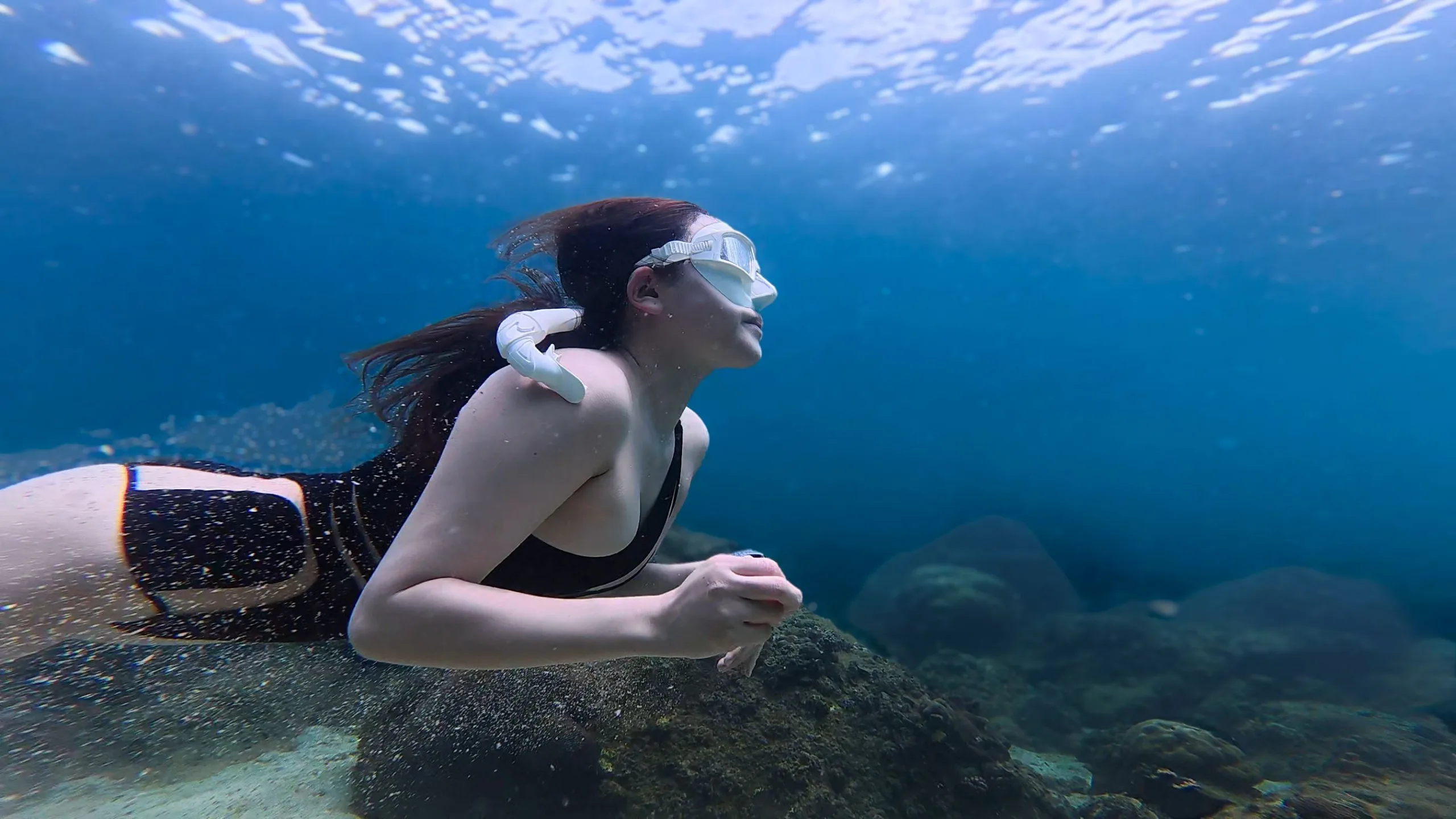
Snorkelling deserves better than the consolation prize it usually gets. Most of a reef’s colour sits in the top few metres where the light still reaches, turtles feed on the reef flat, and a manta at a cleaning station will come close enough that a mask beats a regulator. Luxury snorkelling holidays are built on that, and one of the best marine encounters in the world, Hanifaru Bay in the Maldives, is snorkelling-only by law.
Best Destinations for Diving and Snorkelling
Four destinations account for most of what we book, and they are genuinely different from one another underwater. Water sits between roughly 24 and 29 degrees across all of them, so a 3-millimetre suit covers almost everything. For snorkelling holidays, Indian Ocean destinations remain the most forgiving, since the Maldives and the Seychelles both offer protected lagoons where an hour in the water needs no more than fins and a mask.

The Maldives
Maldives diving holidays are the easiest first choice, because the geography does the work for you. Each resort occupies its own reef, so the shallow snorkelling begins at the end of the jetty. The serious sites are channels between atolls where the tide pushes plankton through, and everything arrives to feed. Boat rides are measured in minutes.
Baa Atoll holds the country’s best-known set piece. Manta rays gather in Hanifaru Bay to feed between May and November, in dozens on an ordinary morning and in far greater numbers when tide and moon coincide, with August to October the most reliable window. The bay is a ranger-managed protected area inside a UNESCO biosphere reserve, numbers are capped, boats wait for timed slots, and diving is prohibited.
Noonu Atoll, further north, sees a fraction of the traffic. Cheval Blanc Randheli is spread across its own cluster of islands there, around forty minutes from Malé by seaplane, and dive sites that in North Malé would already have three boats on them. Nearby, Velaa Private Island has a lagoon calm enough that a first snorkel can happen before lunch on arrival day.

The Seychelles
Underwater, luxury diving Seychelles trips look nothing like the Maldives, which is the argument for going. The inner islands are granite, the exposed tops of a submerged continental massif, so you dive boulder fields, canyons and swim-throughs between fifteen and thirty metres.
Shark Bank is the site everyone asks for. A granite pinnacle rising to around thirty metres off Beau Vallon, with nurse sharks, big stingrays and eagle rays over it. Baie Ternay, a marine national park in a sheltered bay on Mahé’s northwest, is where we send snorkellers instead of the exposed sites.
Four Seasons Resort Seychelles sits above Petit Anse on the southwest coast, with a house reef in the bay below the villas and a centre that dives the granite along the west coast and runs north when conditions allow.
North Island makes the case for private island diving. Eleven villas, an environmental team that has spent more than two decades putting the island’s habitat back, and hawksbill turtles that nest on East Beach between October and February. Hawksbills here nest in daylight, which is unusual and worth knowing before you plan the week. Whale sharks pass the inner islands from August into October.

Mozambique
Mozambique is the answer when a beach has to follow a safari, since the Bazaruto Archipelago is a short flight from the Kruger region and needs no long-haul leg of its own.
The archipelago’s marine national park protects the largest surviving dugong population in the western Indian Ocean, an animal most divers will never see anywhere. Two Mile Reef, between Benguerra and Bazaruto, runs from about five metres down to twenty-five, so the shallow top works for snorkellers while the wall goes deep enough to be interesting. Humpback whales move through from July to October, and manta rays and whale sharks are more reliable from October into March.

French Polynesia
French Polynesia costs a day of travel in each direction and repays it with shark aggregations at a scale nothing in the Indian Ocean matches. Luxury scuba diving trips here usually pair one of the Tuamotu atolls with somewhere quieter to recover.
Fakarava’s southern pass is the reason divers come. Grey reef sharks hold in the current in their hundreds, and in June and July a marbled grouper spawning that draws them into far greater numbers. Tiputa Pass at Rangiroa gives you dolphins riding the incoming tide, with hammerheads from December to March.
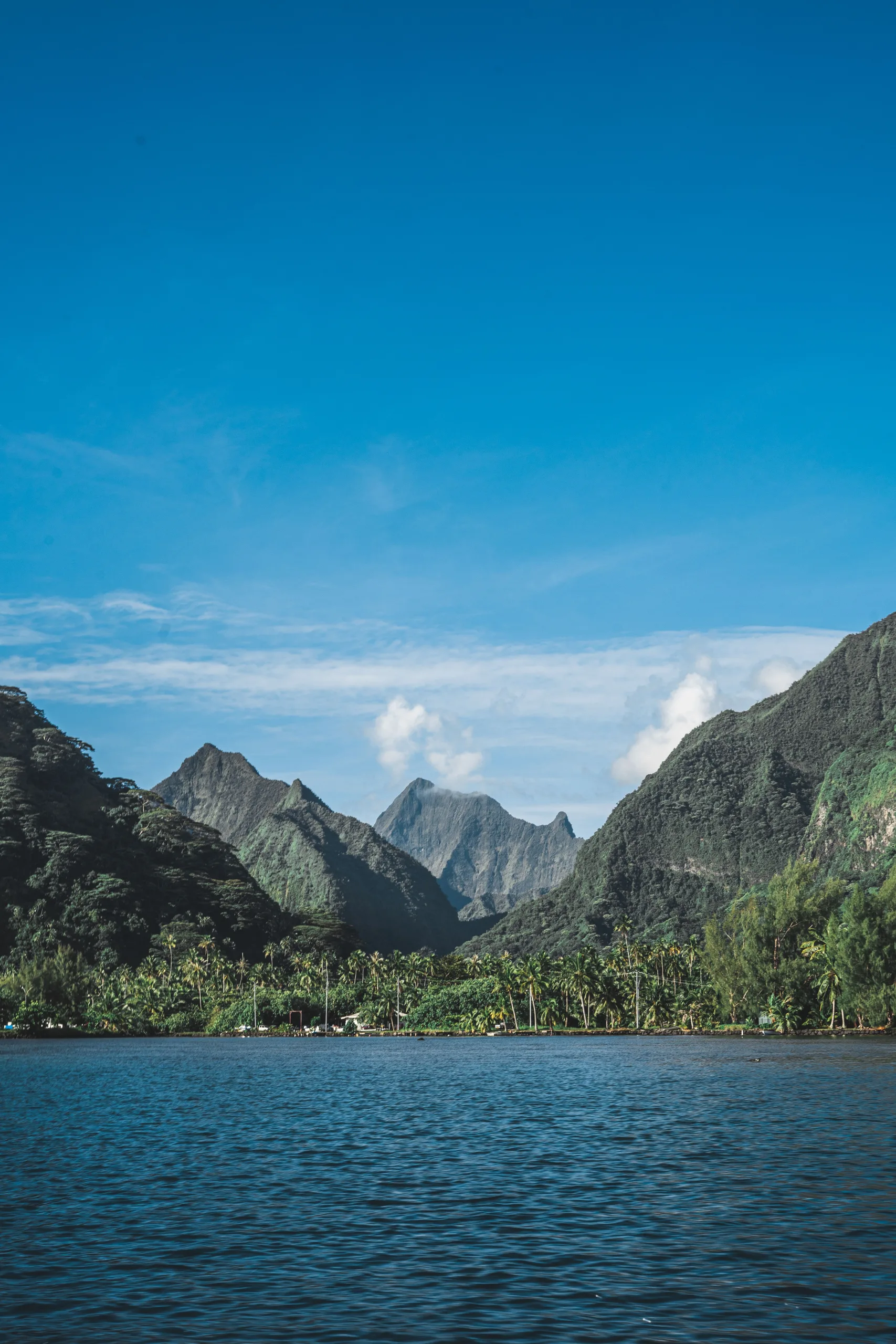
The Brando occupies one motu of Tetiaroa, thirty-five villas on an atoll with no pass a boat can enter, which is why its lagoon stays flat and its blacktips, lemon sharks and eagle rays are so accustomed to snorkellers. Diving happens on the outer reef, twenty minutes from the beach. Add Moorea between August and October and you can have humpbacks in the same fortnight.
Our Favourite Dive Resorts
Two questions decide whether a property earns a place on a diving itinerary.
The first is what lies at the end of the jetty. The second is who runs the centre, and whether it answers to the excursion desk or to you.
Judged that way, the list of best luxury dive resorts is considerably shorter than the brochures suggest.

House Reefs and Onsite Dive Centres
The phrase “house reef” does a great deal of work in resort marketing and means very little on its own. Almost all luxury dive resorts claim one. What matters is the distance from the villa to the entry point, whether there is a ladder or a channel cut through the reef flat, how deep the drop-off runs, and how the current behaves at the corners of the island. We check all of it before recommending a room.
Gili Lankanfushi in North Male Atoll is the property we cite most often on this point. Reef sharks, turtles and rays work the reef edge beneath the overwater villas. Entry is off the villa steps or the jetty ladder, and the resident marine biologist will swim it with anyone who asks. Male airport is twenty minutes away by speedboat, so there is no seaplane window to build the day around.
Onsite centres are easier to assess than people assume. Ask whether they will fill a single tank at four o’clock because the light has turned, whether nitrox is available on site, how many guides they run per diver in high season, and whether the dive boat doubles as the sunset cruise. Good centres give straight answers to all four.

Marine Conservation and Research Programmes
Some resorts run research as a real operation with scientists in residence. Others photograph a coral nursery and call it an activity. The difference is easy to spot once you know what to ask, and it changes what you see in the water.
Four Seasons Landaa Giravaaru in Baa Atoll is the clearest example we know. Its Marine Discovery Centre hosts the Manta Trust’s Maldivian Manta Ray Project, whose researchers identify individual mantas by the markings on their bellies and hold a database going back years, so a briefing before you get in at Hanifaru changes what you notice once you do.
The same centre runs a sea turtle rehabilitation unit for animals brought in tangled in ghost nets. Its coral programme lets guests sponsor a frame, have it planted under a name of their choosing and receive photographs of it as it grows over the following years.
Elsewhere, the emphasis shifts. North Island’s team monitors every nest through the season and will flag any hatching likely to fall inside the dates booked. On Tetiaroa, the Tetiaroa Society supports visiting scientists working on seabirds, turtles and reef health, with an ecostation guests can visit. For anyone travelling with teenagers, this tends to be the part of the trip that lands hardest.
What to Expect
The practical side is where a diving holiday either works or grinds.
Most of it comes down to how the guiding is arranged and what you need in the way of paperwork before you travel.

Guided Dives and Snorkelling Excursions
Book a private guide at the point of reservation rather than at the desk on arrival. It buys you one guide for the two of you, a boat that leaves when you are ready, and a dawn departure to a manta cleaning station that puts you in the water before the day boats arrive.
House reef diving needs no boat and can happen on impulse. A night dive under the jetty lights, or a late tank when the reef changes shift, both come together in twenty minutes.
Snorkellers should have a guide of their own, and that is a separate booking worth making. A dedicated snorkelling guide reads tide and light for the shallows, which is a different skill from leading a dive.
Where permits apply, timing decides everything. Hanifaru slots are capped daily and allocated in advance through the resort, so an October morning there is arranged when the booking is made rather than the night before.
When to Go
Season shapes these trips more than any other decision.
In two of the four destinations, the best conditions and the best animals fall in different months.
The Maldives

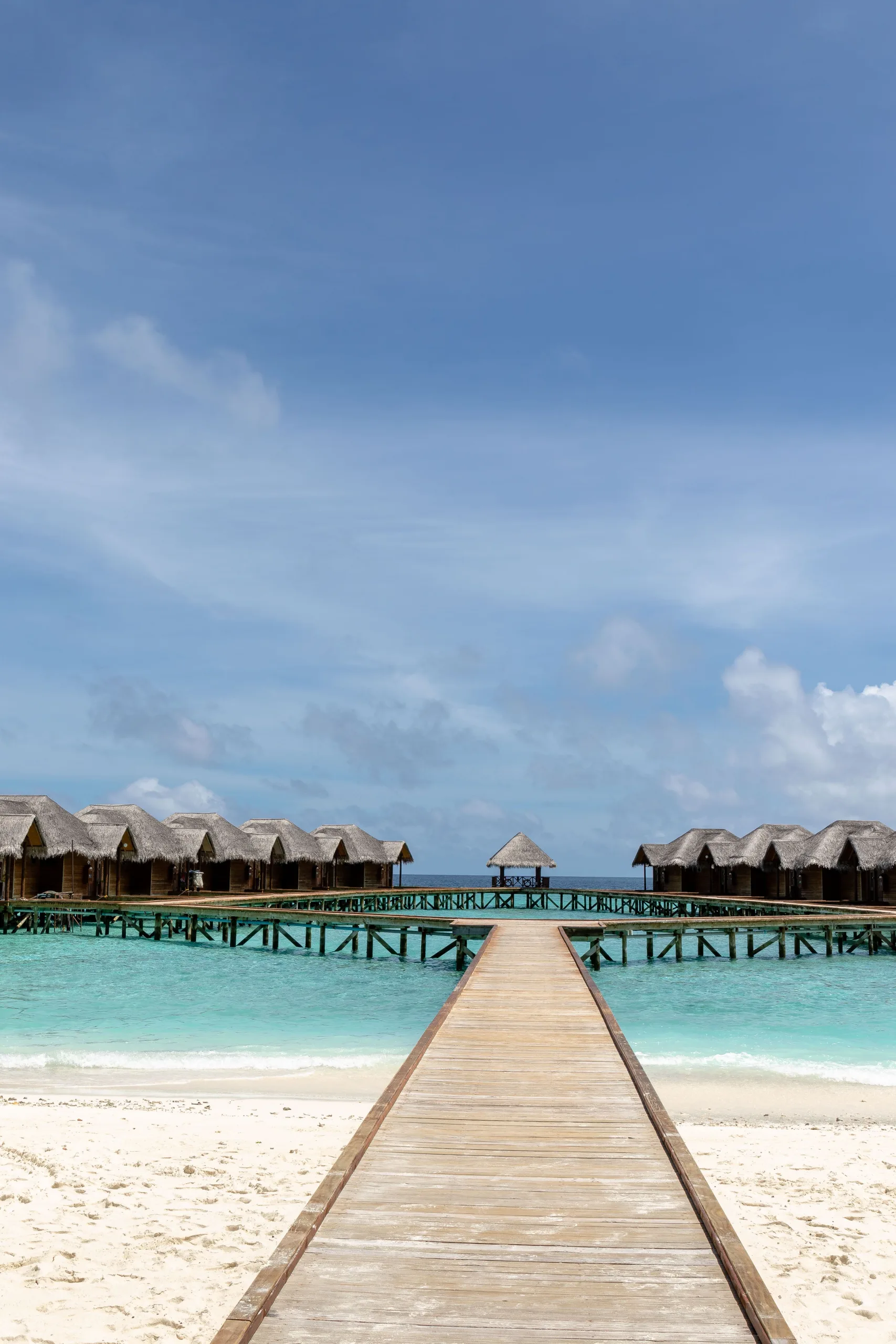
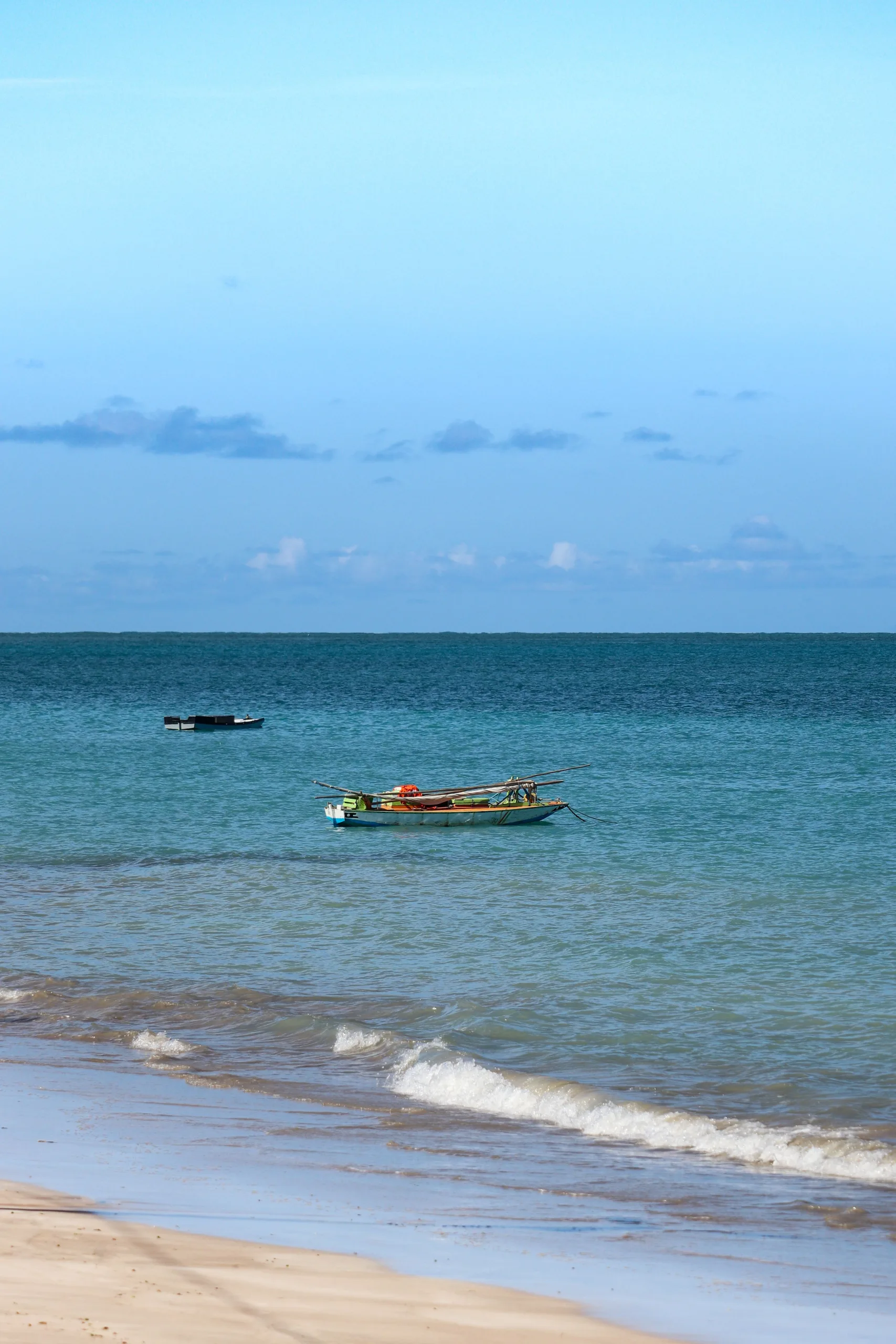
The Maldives split the year in two. December to April is the dry north east monsoon, with flat water and visibility around thirty metres. May to November brings plankton, which costs clarity and delivers mantas and whale sharks in exchange, Hanifaru at its most reliable from August to October.
The Seychelles
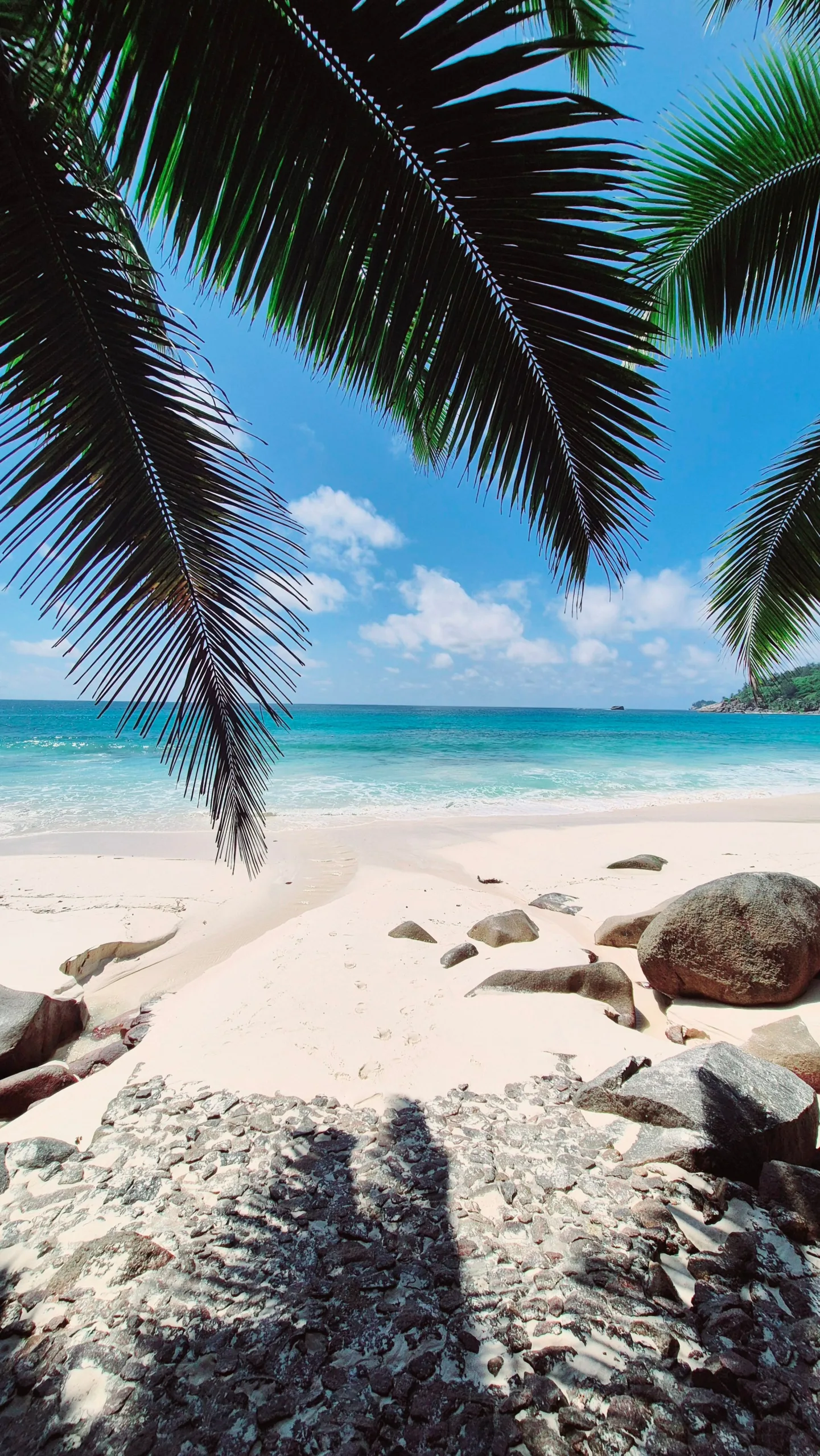
The Seychelles answer to the trade winds. April and October are the changeover months, the calmest and clearest water of the year, and the two we steer people towards. Between May and September the south east trades roughen up the exposed granite sites. Whale sharks arrive from August, turtles from October.
Mozambique
Mozambique dives in the dry season. April to October gives settled weather, with humpbacks from July. The wetter months hold better manta and whale shark odds, though cyclone risk runs from January into March.
French Polynesia
French Polynesia is a May to October destination on weather alone. Hammerheads at Rangiroa belong to December through March, while the Fakarava grouper spawning in June and July sits neatly inside the dry season, making it the easiest specialist event to plan a trip around.

How We Plan a Diving Holiday
Bespoke diving holidays are largely a sequencing problem. The no-fly gap has to be protected, the safari usually goes before the beach, and seaplane departure windows in the Maldives govern which morning the last dive can be. Get the order right, and nothing else needs forcing.
Room choice is the next decision, and it is finer-grained than most itineraries allow for. Two villas at the same price can be a hundred metres apart in relation to the reef entry, and one of them will be swimming against the current on the way back. Our travel designers have dived these house reefs, which is what lets us say which of the two to take.
Permits, private guides and centre bookings are secured at contract stage. So is the briefing to the property: that one of you dives and one snorkels, that a table for two is preferred, that certification cards are already on file.
Preferred partner status with the groups behind these resorts brings benefits that are unavailable through public booking channels. A room upgrade subject to availability and daily breakfast are the familiar ones. On a diving trip, the resort credit tends to matter more, since it absorbs a fortnight of tanks and boat charges, and VIP recognition means the dive centre has the qualification details before anyone reaches the desk.
For assistants and family offices, everything above runs through one point of contact. Medicals, certification records and light-aircraft luggage allowances are collected in advance and held on file, so the principal is not asked for the same document twice.
Frequently Asked Questions
No, and a good number of our clients never certify at all. Snorkelling offers most of what makes these reefs remarkable, from mantas at Hanifaru to the lagoon at Tetiaroa. If you want to try diving, a pool and shallow-water introduction takes a single morning under instructor supervision, and the full open water qualification can be completed at the resort in three to four days.
The Maldives, in almost every case. Sites are minutes from the resort, water sits around 28 degrees, currents at the sheltered sites are gentle, and there is a house reef to practise on before anyone gets on a boat. Choose the Seychelles instead if you want granite geology and an island with somewhere to walk and eat beyond the resort.
Twenty-four hours is the figure to plan around. In the Maldives that includes the seaplane or domestic hop back to Male, so the last dive normally falls two mornings before the international departure. We build this into the itinerary rather than leaving it to be discovered on the final day.
Yes, and the better resorts are set up for exactly this. Junior certification is available from ten, with pool introductions from eight, and children’s programmes at properties such as Landaa Giravaaru include reef sessions with the marine team. For groups with mixed interests we arrange two departures rather than asking anyone to compromise on the morning.
These are set by governments and marine authorities and revised periodically, so we confirm the current figures when you book. The charges typically cover marine park entry, ranger-managed access at sites such as Hanifaru Bay where daily numbers are capped, and national park levies in Bazaruto. Dive packages and equipment hire are quoted separately by each resort, and we set those out in full before you commit.
Speak to a Travel Designer
Dive centres at this level work months ahead, and the properties around them are small. A Hanifaru slot in October or a week in the Tuamotus is held a long way out.
Speak to a travel designer with dates in mind, and we will say what the water is doing then and build the trip around it.
YOUR DEDICATED TRAVEL PARTNER
24
/
7
/
365

TAILORED SERVICES
TAILORED SERVICES
Our in-house concierge service will use their extensive contact list
to help you source anything you desire.
TAILORED SERVICES
Our in-house concierge service will use their extensive contact list
to help you source anything you desire.
BESPOKE itinerary
BESPOKE itinerary
We work hand in hand with clients to create your dream
itinerary ensuring every detail is looked after from start to finish.
BESPOKE itinerary
We work hand in hand with clients to create your dream
itinerary ensuring every detail is looked after from start to finish.

BESPOKE AIR
BESPOKE AIR
We have access to every major airline and an extensive knowledge of their pricing schedules helping our clients achieve highly competitive airfares in all cabins.
BESPOKE AIR
We have access to every major airline and an extensive knowledge of their pricing schedules helping our clients achieve highly competitive airfares in all cabins.

PRIVATE SKY
PRIVATE SKY
Working directly hand in hand with our brokers and
aircraft owners we can source the best deals and most convenient slots for Private Jet hire.
PRIVATE SKY
Working directly hand in hand with our brokers and
aircraft owners we can source the best deals and most convenient slots for Private Jet hire.

EXCLUSIVE BENEFITS
EXCLUSIVE BENEFITS
We have arranged with a number of our luxury partners some exclusive additional benefits. These can include complimentary daily breakfast, a hotel credit towards food or spa treatments,an upgrade on arrival where available, and early check in / late check out.
EXCLUSIVE BENEFITS
We have arranged with a number of our luxury partners some exclusive additional benefits. These can include complimentary daily breakfast, a hotel credit towards food or spa treatments,an upgrade on arrival where available, and early check in / late check out.
COST MANAGEMENT
COST MANAGEMENT
We provide access for our clients to the most cost effective and convenient travel means. Our long standing partnerships and in depth industry knowledge ensure that we source the best rates available on the market.
COST MANAGEMENT
We provide access for our clients to the most cost effective and convenient travel means. Our long standing partnerships and in depth industry knowledge ensure that we source the best rates available on the market.

London office suite